Introduction
In the world of logistics and freight movement, few transport solutions are as widely used and trusted as the dry van. From everyday consumer goods to industrial materials, the dry van plays a central role in keeping supply chains moving efficiently. While it may appear simple on the surface, the dry van is a highly versatile and essential component of modern transportation.
What Is a Dry Van?
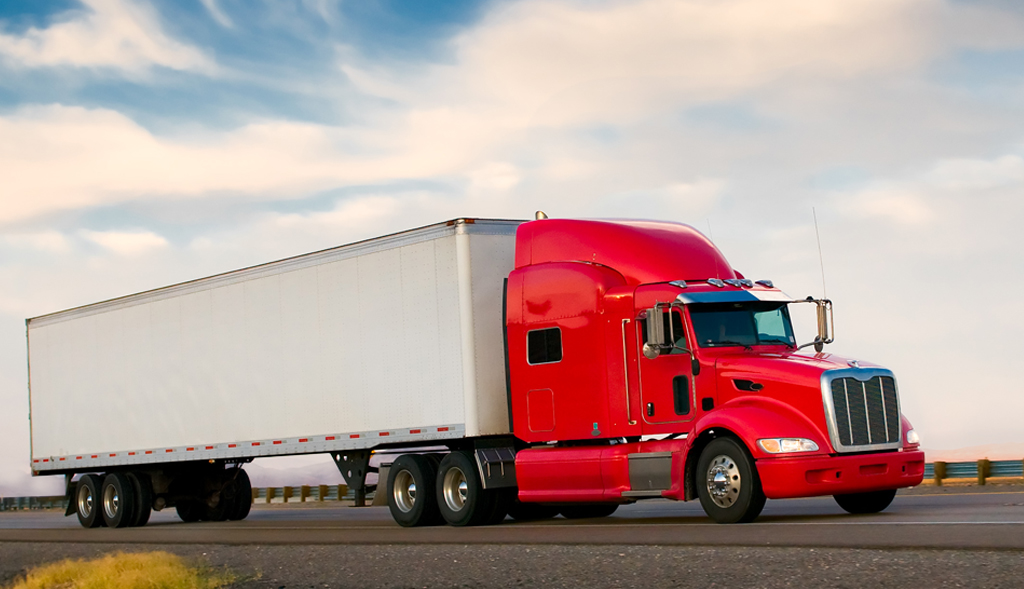
A dry van is an enclosed trailer used to transport non-perishable, dry goods that do not require temperature control. It is the most common type of freight trailer used in road transportation. The fully enclosed design protects cargo from weather, dust, theft, and external damage.
Dry vans are typically pulled by semi-trucks and are used across local, regional, and long-haul routes. Because of their flexibility and simplicity, dry vans are considered the foundation of freight transportation.
Why the Dry Van Is So Popular
The popularity of the dry van comes from its versatility. Unlike refrigerated trailers or flatbeds, dry vans do not require specialized equipment or handling. This makes them cost-effective and easy to operate.
Key reasons why dry vans dominate the freight market include:
- Wide range of compatible cargo
- Lower operating costs
- Simple loading and unloading
- Strong cargo protection
- High availability across carriers
These advantages make the dry van a first choice for many shipping needs.
Common Goods Transported in a Dry Van
The dry van is designed to carry cargo that does not require special environmental conditions. This includes a broad range of everyday and industrial products.
Typical dry van cargo includes:
- Packaged food and beverages
- Clothing and textiles
- Electronics and appliances
- Furniture and household goods
- Paper products
- Building materials
- Automotive parts
Because dry vans can handle palletized, boxed, or loose freight, they are suitable for both small and large shipments.
Dry Van Dimensions and Capacity
Dry vans come in standardized sizes, allowing for consistent logistics planning. The most common dry van trailers are designed to maximize space while complying with road regulations.
Standard Dry Van Measurements
- Length: Commonly up to 53 feet
- Width: Approximately 8.5 feet
- Height: Around 13.5 feet
- Weight capacity: Often up to 45,000 pounds depending on configuration
These dimensions allow dry vans to transport large volumes of freight efficiently while remaining road-legal.
How Dry Van Shipping Works
The dry van shipping process is straightforward, which contributes to its widespread use.
Step 1: Freight Preparation
Cargo is typically palletized or boxed to ensure stability during transit.
Step 2: Loading
Goods are loaded through rear swing doors using forklifts or pallet jacks.
Step 3: Securing Cargo
Straps, load bars, or blocking materials are used to prevent movement during transport.
Step 4: Transportation
The dry van trailer is hauled to its destination, whether across town or across the country.
Step 5: Unloading
Upon arrival, cargo is removed and prepared for distribution or storage.
This simplicity reduces delays and minimizes handling risks.
Dry Van vs Other Trailer Types
Understanding how a dry van compares to other trailers helps clarify its role in logistics.
Dry Van vs Refrigerated Trailer
Refrigerated trailers are used for temperature-sensitive goods, while dry vans are used for non-perishable items. Dry vans are more affordable and easier to maintain.
Dry Van vs Flatbed
Flatbeds carry oversized or exposed cargo, while dry vans offer full enclosure and protection.
Dry Van vs Curtain Side
Curtain side trailers provide side access but less protection than dry vans.
For most standard freight, the dry van remains the most practical option.
Advantages of Using a Dry Van
The dry van offers several important benefits that make it ideal for many businesses.
Cost Efficiency
Dry vans are cheaper to operate than specialized trailers because they do not require refrigeration units or complex loading systems.
Cargo Protection
The enclosed design shields freight from rain, snow, wind, and road debris.
Security
Dry vans reduce theft risk by hiding cargo from view and allowing sealed doors.
Availability
Because dry vans are the most common trailer type, they are easy to source in most markets.
Limitations of a Dry Van
While highly versatile, the dry van does have limitations.
- Not suitable for refrigerated or frozen goods
- Cannot carry oversized freight that exceeds trailer dimensions
- Limited side or top loading access
- Requires dock or forklift access in most cases
Understanding these limitations helps shippers choose the right transport method.
Dry Van in the Supply Chain
The dry van plays a critical role in modern supply chains. It supports manufacturing, retail, e-commerce, and wholesale distribution.
Manufacturing
Dry vans transport raw materials and finished products between factories and warehouses.
Retail and E-Commerce
From distribution centers to stores and fulfillment hubs, dry vans move consumer goods daily.
Warehousing
Dry vans enable efficient inbound and outbound logistics for storage facilities.
Without dry vans, large-scale goods movement would be slower, more expensive, and less reliable.
Dry Van and E-Commerce Growth
The rapid growth of online shopping has increased demand for dry van transportation. E-commerce companies rely heavily on dry vans to move packaged goods between fulfillment centers and last-mile hubs.
The consistency, security, and scalability of dry vans make them ideal for handling fluctuating order volumes.
Choosing the Right Dry Van Carrier
Selecting a reliable dry van carrier is essential for smooth operations.
Important factors include:
- Fleet size and availability
- Safety record
- Delivery reliability
- Load tracking capabilities
- Experience with similar cargo
A dependable dry van carrier reduces delays and protects valuable shipments.
Dry Van Loading Best Practices
Proper loading improves safety and efficiency.
Weight Distribution
Even weight distribution prevents trailer imbalance and handling issues.
Cargo Securing
Use straps and load bars to minimize movement during transit.
Space Optimization
Maximizing trailer space reduces shipping costs and improves efficiency.
Good loading practices extend trailer life and reduce damage claims.
Maintenance and Longevity of Dry Vans
Dry vans are built for durability, but regular maintenance is essential.
Common maintenance practices include:
- Checking door seals
- Inspecting floors for damage
- Ensuring proper ventilation
- Maintaining locking mechanisms
Well-maintained dry vans can remain in service for many years, offering long-term value.
Environmental Considerations
Although dry vans themselves do not control emissions, their efficiency contributes to reduced fuel usage when compared to less space-efficient transport methods. Fully loaded dry vans maximize cargo per trip, helping lower the environmental footprint of freight transportation.
The Future of Dry Van Transportation
The dry van continues to evolve alongside technology. Innovations such as GPS tracking, digital load management, and improved materials are enhancing efficiency and security.
As global trade and e-commerce expand, dry vans will remain a core component of freight logistics due to their adaptability and reliability.
Why Dry Vans Will Always Be Essential
The simplicity of the dry van is its greatest strength. It does not rely on complex systems or specialized handling, making it dependable in nearly all conditions.
No matter how advanced logistics technology becomes, the need to safely move dry goods will never disappear—and the dry van is perfectly suit for that task.
Conclusion
The dry van is more than just a trailer—it is the backbone of modern freight transportation. Its versatility, affordability, and reliability make it indispensable across industries. From small businesses to global supply chains, dry vans support the movement of goods that keep economies running.
By understanding how dry vans work, their advantages, and their role in logistics, businesses can make smarter shipping decisions and improve operational efficiency. In a world driven by fast, secure, and scalable transportation, the dry van remains an essential solution.
About the Author