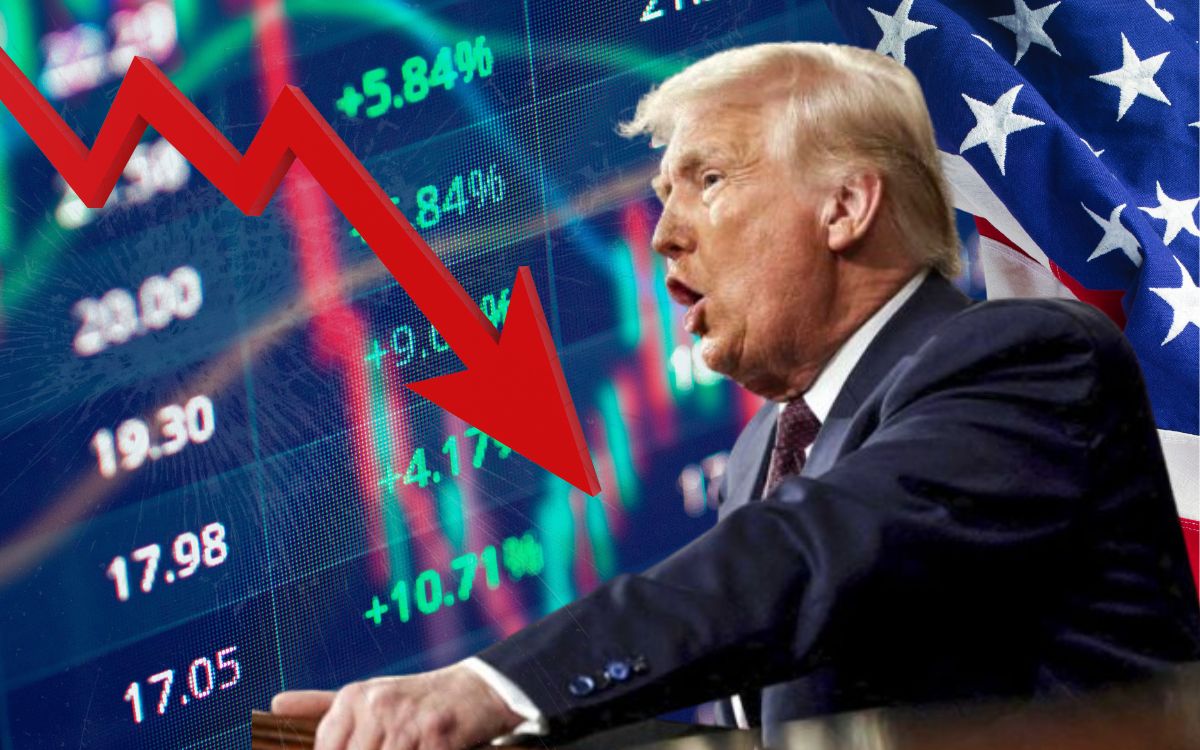
Introduction to Arancel
The global economy is based on trade. Each day, products move across borders to the consumers, to the factories, and online shops. The central concept in this system is a strong concept called arancel. The word determines prices, political choices as well as safeguarding local industries. It is important to understand how arancel works so that the business owners, students, journalists, and ordinary shoppers can know why they will not always get to buy imported products at a particular cost as they expect.
What Is Arancel and Why It Matters.
Arancel refers to a tax that is impose by governments on goods as they cross a border, typically on imports. It has a direct bearing on the price that individuals are willing to pay on the imported goods and safeguard the local sectors against the low-cost foreign competition. With a tariff in place the import goods are highly price and this stimulates people to buy locally produce goods and helps the local businesses.
Simple Meaning of Arancel
Arancel refers to the tax / duty imposed by a government on goods entering or leaving a country. It is use more on imports. It is aim at controlling trade, serving to protect the local producers and raise government revenue.
In this case, when a nation imposes an arancel on imported shoes, they end up being expensive, in contrast with domestically produced shoes. This makes consumers purchase such domestic products instead.
Arancel International trade.
Ad Valorem Arancel
This kind is levied in terms of product value percentage. In case the value is high, then the duty becomes high as well. It is the most common technique.
Specific Arancel
This obligation is impose as a segregate charge per unit i.e. per kilogram or per piece. It will be the same independent of the product price.
Mixed Arancel
This combines both systems. A government can impose a fixed charge and a percentage of the value. The approach guarantees consistent revenue in the event of a drop in prices.
Reasons Why Governments Use Arancel.
Arancel is introduce by governments due to various reasons that are economically viable and beneficial to the interests of the country. The first one is to shield local industries against international competition whereby local companies could expand and sustain employment. Arancel also brings some government revenue that is used in providing services to the people in the form of infrastructure, education and healthcare. Also, arancel is employed by the countries to balance trade as they restrict the imports and exports of different goods and services to mitigate trade deficits. In other instances, the use of duties is strategic and is used to promote production within a country, emerging sectors, and the creation of the overall economy with a conducive competitive environment.
protection of Domestic Industry
The local manufacturers are also not able to compete with the foreign goods that are cheap. Arancel raises the price of imported goods, which provides a local company with a level playing field.
Revenue Generation
Arancel has been a crucial source of income to many countries. This capital is used to finance social services like roads, schools and health.
Trade Balance Control
Arancel enables the governments to curb imports and exports. This contributes to lowering the deficits in trade and empowers the national industries.
Impact of Arancel on the Consumers.
Higher Retail Prices
In cases where the importers are charged higher duties, they tend to transfer the burden to the customers. This increases the cost of imported goods.
Limited Product Choices
The high arancel also makes some businesses cease importation of items and this limits the variety of products in the market.
Business and Imports Implications.
Arancel has high influence on the way businesses plan their imports as well as cost management. This makes importers pay more to deliver goods into the country when the responsibility heightens, thereby exceeding prices of goods and decreasing the level of profits. Some of the ways in which this is being counteracted is seeking other suppliers, changing their prices, or moving the manufacturing to locally escape steep prices.
Increased Operating Costs
Importers have to compute arancel to pricing policies, profit margin and inventory.
Market Entry Barriers
Complex duty regulations usually make it difficult to join international markets by small businesses.
Arancel in Emerging Economies.
In developing economies arancel is very important as it promotes economic growth and industrial development. These countries encourage new and weak industries to establish by placing the burden on imported goods so that they are not exposed to international competition. Local production also promoted by Arancel results in employment, skill development and local investment. Moreover, Although increased duties may occasionally increase consumer prices, in new markets arancel may be perceived as a strategic instrument to maintain growth and attract investment and local economy to remain sustainable in the long run.
Supporting New Industries
Arancel is commonly use by developing countries to shield the newly emerging industries against the international competition.
Promotion of Local Production.
High import taxes urge firms to produce goods locally and this generates employment and development of skills.
Arancel and Free Trade Agreements.
Reduced or Zero Duties
A lot of trade agreements eliminate or reduce arancel among the nations, and goods become cheaper, and relations among them become better.
Competitive Advantage
Firms that are base in nations where trade agreements are reach have a more favorable access to the market.
How Arancel Is Calculated
Arancel depends on the kind of duty, value of the goods and classification of such goods as per the customs regulations. In the case of ad valorem arancel, the charge is a percentage of the value of the product that is declare including the cost of shipping and insurance. Specific arancel is the charge impose on a fixed unit irrespective of the price, e.g. per kilogram or in units.
Customs Value Determination.
The value of the products calculate by the customs officials is made according to the invoices, freighting expenses and insurance.
Classification of Goods
Every product has a code. This is a code that establishes the rate of arancel.
Familiar Problems with Arancel.
Complex Documentation
Misplaced paperwork may lead to the delays, fines or rejection of shipment.
Frequent Policy Changes
The rates of the duties are usually subject to political or economic shifts, which makes them uncertain.
Arancel Management Digital Tools.
The digital environment helps modern businesses to manage arancel effectively and prevent expensive errors. The duty calculator software available on the internet also allows the importers to estimate the charges to be pay prior to shipping the goods hence making it easier to budget and also more precise. Trade management software automates the product classification, prep of documents, and compliance checking and mitigates the risk of penalties or delay in shipment.
Online Duty Calculators
Numerous customs sites offer to calculate the import tax using calculators.
Trade Management Software
Digital systems have been adopte to automate classification and cost estimation by businesses.
Ethical and Economic ArcelorMittal Controversies.
Arguments in Favor
Proponents feel that arancel helps to defend domestic employment and the national industries.
Arguments Against
According to critics, it raises consumer prices and restricts competition in the market.
The Future of Arancel in international business.
The future of arancel in global business is highly associate with technology and transformation of trade relations. As the custom systems turn digital, businesses will have faster time in clearance, enhanced transparency and reduced manual mistakes when preparing duty. Meanwhile, the trend amongst a large number of countries is to shift to free trade agreements so that the arancel may be lessen or eliminated to promote cross border trade and foreign investment. Nevertheless, governments will continue to have strategic import duty as a measure to safeguard sensitive industries and as a reaction to the economic pressure. This implies that companies should keep abreast of policy developments and invest on smart trade tools in order to keep afloat in the international markets.
Process automation and transparency.
Technology is making customs systems more transparent and quicker.
Shift Toward Free Trade
There are more nations dealing with agreements which reduce arancel and promote open markets.
Conclusion
Arancel is still one of the most powerful instruments of international trade. It regulates the flow of merchandise, safeguards local businesses and even collects revenue by the government. Although this assists the local companies to compete with the strong international firms, it also raises the costs to the customers and makes it more complicated to the importers. Knowledge of arancel helps a business to plan, minimize risks, and remain competitive in the global markets. To the governments, it is a juggling game between pro and anti-protectionism. With the advent of technology and the ongoing growth of the trade agreements in various ways, the arancel policies are bound to be more transparent and data-drive.
About the Author