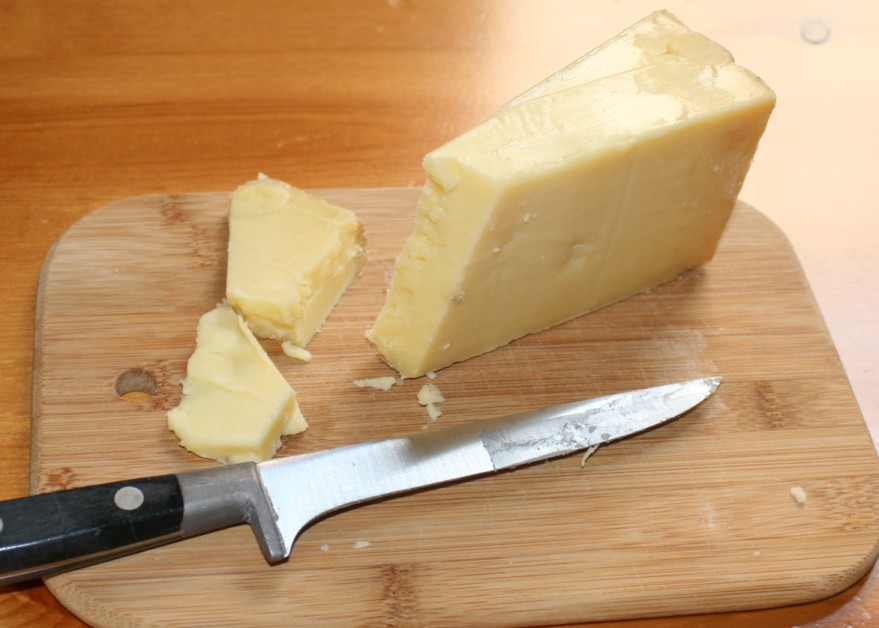
Cheese lovers around the world agree on one thing — white cheddar cheese is a timeless favorite. From creamy slices on burgers to melted goodness on macaroni, its versatility and bold flavor make it a kitchen essential. Unlike orange cheddar, white cheddar retains its natural ivory color, giving it a rustic and authentic appearance that cheese enthusiasts adore. But white cheddar is more than just a delicious ingredient — it’s a story of tradition, aging, cultures, and culinary art.
If you’re looking to write or learn deeply about white cheddar cheese, this detailed article covers everything: history, production, flavor notes, varieties, nutritional benefits, uses in cooking, storage tips, popular recipes, brand recommendations, and more. Get ready for a flavorful read!
What Is White Cheddar Cheese?
White cheddar cheese is a hard, aged cheese originally from England, made primarily from cow’s milk. It has a pale creamy-white color because it contains no added annatto coloring, which is the ingredient that gives orange cheddar its familiar shade.
Simple definition:
White cheddar is cheddar cheese in its pure, natural color, known for its sharp, tangy taste and firm yet creamy texture.
It ranges from mild to extra sharp depending on aging time.
White Cheddar vs Yellow Cheddar – What’s the Difference?
Many people assume that white and yellow cheddar are different cheeses. However, aside from coloring, they are practically the same.
| Feature | White Cheddar | Yellow Cheddar |
|---|---|---|
| Color | Pale white/cream | Golden or orange (due to annatto) |
| Taste | Naturally sharp, pure dairy flavor | Similar in flavor; color does not change taste |
| Use | Gourmet & authentic recipes | Popular in fast food & commercial dishes |
In short — white cheddar is cheddar in its most natural form.
History of White Cheddar Cheese
Cheddar cheese traces its origin back to the English village of Cheddar in Somerset during the 12th century. Farmers discovered that storing milk in cold caves helped it age into a firmer, more flavorful cheese. Over the centuries, cheddar spread globally.
Key historical milestones:
- 12th Century – Birth of cheddar in Somerset.
- 1700s – British sailors transported cheddar worldwide.
- 1800s – Cheddar making arrives in America.
- Today – Popular globally in every cuisine style.
White cheddar holds onto that old-world authenticity — no dyes, no fancy additions, just pure cheese.
How Is White Cheddar Cheese Made?
Creating cheddar is a craft requiring patience and precision.
Main Steps in Production:
- Fresh cow’s milk is collected.
- Milk is warmed and bacteria cultures are added.
- Rennet thickens the milk into curds.
- Curds are cut, cooked, and separated from whey.
- Curds are stacked and pressed (“cheddaring” process).
- Cheese is salted, molded, and aged.
Aging Time Variations:
- Mild: aged 2–3 months
- Medium: aged 6–9 months
- Sharp: aged 1+ year
- Extra sharp: aged 2–5 years
Longer aging = bolder flavor.
Flavor Profile of White Cheddar
The beauty of white cheddar lies in its complexity.
Taste Notes:
- Rich and creamy
- Tangy and slightly nutty
- Gets sharper with age
- Crumbly but smooth on the palate
Fresh cheddar is soft and mellow, while aged cheddar becomes bold, crumbly, and intense.
Types of White Cheddar Cheese
There isn’t just one type — variety exists in strength, texture, and use.
Common Types Include:
- Mild White Cheddar
- Sharp White Cheddar
- Extra Sharp White Cheddar
- Aged Cheddar Reserve
- White Cheddar Block/Slices/Shredded
- Smoked White Cheddar
- Organic & Grass-Fed Cheddar
Different recipes require different cheddar strengths.
Nutritional Benefits of White Cheddar Cheese
Cheddar doesn’t only taste good — it’s packed with nutrients.
Nutrition Highlights (approx. per ounce):
- 110 calories
- 7g protein
- 9g fat
- 20% daily calcium
- Rich in Vitamin A & B12
- Good source of phosphorus
Health Benefits:
✔ Supports strong bones & teeth
✔ High in protein for muscle repair
✔ Contains probiotics for gut health
✔ Energy-dense for active lifestyles
Everything in moderation — balance is key.
Best Uses of White Cheddar in Cooking
White cheddar shines in countless recipes.
Perfect for:
- Mac & cheese
- Grilled cheese sandwiches
- Tacos & burritos
- Soups & chowders
- Pizza toppings
- Charcuterie boards
- Stuffed chicken or vegetables
Quick Meal Ideas:
- Melted white cheddar over steamed broccoli
- Cheddar scrambled eggs for breakfast
- White cheddar grilled cheese with tomato soup
- Homemade cheddar popcorn
- White cheddar mashed potatoes
A sprinkle of cheddar turns simple meals into comfort food heaven.
White Cheddar Cheese Recipes to Try at Home
Here are some crowd-pleasing suggestions.
1. Classic White Cheddar Mac & Cheese
- White cheddar
- Cream
- Butter
- Pasta
- Seasonings
Rich, creamy, comforting — a family favorite.
2. White Cheddar Snack Board
Unordered add-ons:
- Crackers
- Olives
- Salami
- Grapes
- Honey drizzle
- Nuts & dried fruit
Perfect for parties or movie night.
3. Cheddar & Apple Sandwich Melt
Savory meets sweet. Grill until cheese bubbles — irresistible.
4. Cheddar Broccoli Soup
Warm, creamy, and perfect for winter evenings.
Pairings for White Cheddar Cheese
Cheese pairing elevates flavor.
Foods That Go Well With White Cheddar:
- Apples, pears, grapes
- Honey, fig jam
- Crackers & sourdough bread
- Pickles & mustard dips
- Red wine & craft beer
Drinks to Pair:
- Cabernet Sauvignon
- Chardonnay
- Pale Ale
- Hard Cider
- Iced Tea or Lemonade
Sharp cheddar + wine = gourmet experience.
Popular White Cheddar Brands to Look For
- Cabot Creamery
- Tillamook
- Kerrygold
- Sargento
- Boar’s Head
- Trader Joe’s Organic
- Whole Foods 365 Sharp Cheddar
Each brand brings unique flavor and texture.
White Cheddar in Fast Food & Snacks
You probably eat it more often than you realize!
Found In:
- Cheddar popcorn
- Cheese biscuits
- Cheddar crackers
- Burgers
- Breakfast sandwiches
Think of that tangy flavor on popcorn — yes, that’s white cheddar magic.
Storage Tips for Keeping White Cheddar Fresh
Cheddar needs proper handling to stay perfect.
Storage Rules:
- Wrap in parchment or cheese paper
- Keep in vegetable drawer of fridge
- Avoid airtight plastic (cheese must breathe)
- Consume within 3–6 weeks for best quality
Freezing is possible but may affect texture.
Why White Cheddar Cheese Ranks Well in SEO & Food Niches
✔ High recipe search volume
✔ Evergreen topic
✔ Used in daily cooking
✔ Good for food-related guest posts
✔ Perfect for long-form informative blogs
Food content is always in demand online.
Frequently Asked Questions About White Cheddar
Q1. Is white cheddar healthier than yellow cheddar?
Both are similar — white cheddar just lacks added color.
Q2. Why is cheddar white naturally?
Fresh milk cheese is pale; coloring creates the yellow version.
Q3. Does aging affect taste?
Yes — older cheddar is sharper, crumblier, stronger.
Q4. Can I use white cheddar instead of mozzarella?
Yes in many dishes, but flavor will be stronger.
Q5. Is white cheddar good for melting?
Absolutely — especially mild to medium aged versions.
Conclusion – Why White Cheddar Cheese Deserves a Spot in Every Kitchen
White cheddar cheese is more than just a dairy block — it’s flavor history, comfort cooking, and gourmet creativity all in one. Whether melted over pasta, sliced into sandwiches, or served elegantly on a cheese board, its sharp, delicious character brings life to any meal. From traditional English roots to modern global cuisine, white cheddar continues to reign as one of the world’s most loved cheeses.
So next time you shop for cheese, skip the ordinary and pick up a block of white cheddar. Experiment with new pairings, cook classic favorites, or create your own recipe masterpiece. With every bite, you’ll taste why this creamy, tangy cheese remains timeless.
About the Author