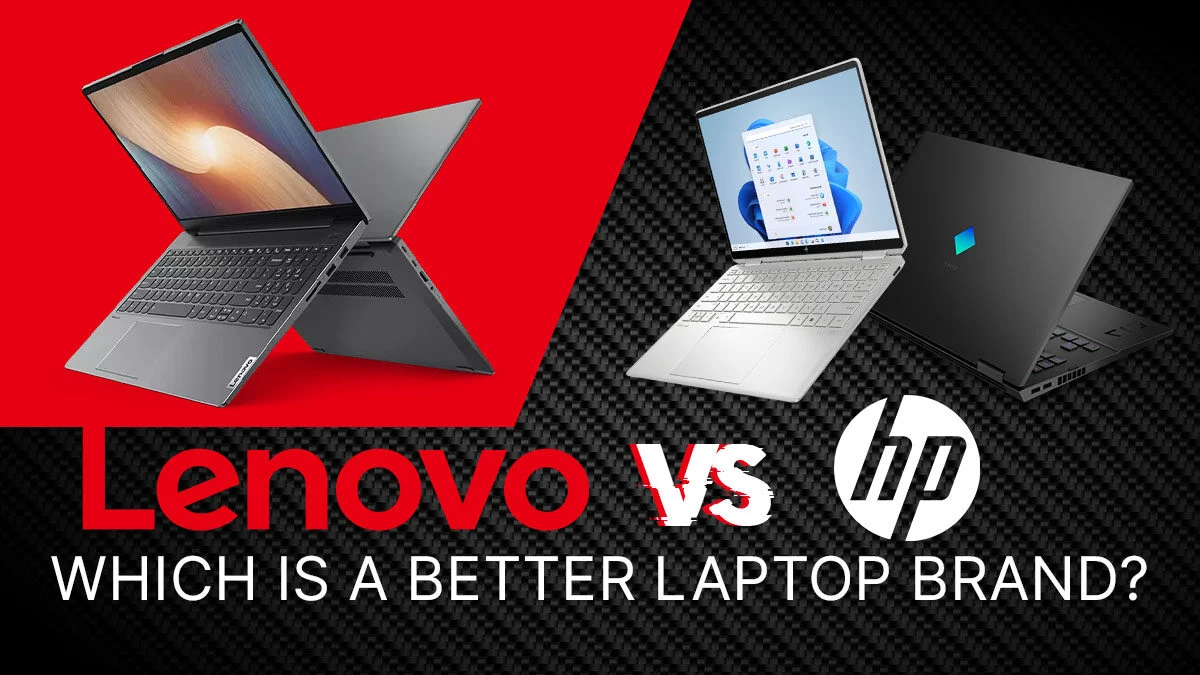
In the modern era of computing, the term “Versus HP” has become a central theme for consumers, gamers, and professionals alike. Whether you are comparing HP (Hewlett-Packard) against rivals like Dell, Lenovo, and Apple, or you are looking at internal battles between HP’s own sub-brands—like Omen versus Victus—understanding the nuances of these machines is critical.
HP has long held a dominant position in the global PC market. However, as hardware demands increase with the rise of AI-driven software and high-fidelity gaming, the question of “HP versus the field” has evolved. This comprehensive guide dives deep into the hardware architecture, thermal management, and market positioning that define the HP ecosystem in 2025.
1. The Heritage of HP: Stability vs. Innovation
When we talk about HP versus other legacy brands, we are discussing a balance between corporate reliability and consumer innovation. HP has successfully bifurcated its identity into two distinct streams:
- The Enterprise Powerhouse: Represented by the EliteBook and ProBook series.
- The Consumer/Gaming Titan: Represented by the Pavilion, Victus, and Omen lineups.
The primary reason HP ranks so highly in consumer preference is its ability to offer “tiered performance.” For someone searching for “Versus HP,” the answer often depends on whether they value a spill-resistant keyboard and biometric security (Enterprise) or raw GPU clock speeds and RGB lighting (Gaming).
2. Gaming Wars: HP Omen Versus HP Victus
For the gaming community, the internal rivalry between Omen and Victus is the most frequent “versus” comparison.
HP Victus: The Entry-Level Challenger
The Victus series was designed to compete in the “budget-friendly” segment.
- Pros: Exceptional price-to-performance ratio, understated design suitable for classrooms or offices, and decent upgradeability.
- Cons: Plastic chassis build, slightly more screen wobble, and limited thermal headroom compared to premium models.
HP Omen: The Hardcore Performer
The Omen is where HP puts its engineering might.
- Pros: Aluminum frames, advanced Omen Tempest Cooling technology, higher TGP (Total Graphics Power) on GPUs, and superior screen refresh rates.
- Cons: Significantly higher price point and heavier form factor.
The Verdict: If you are a casual gamer looking at “Victus Versus HP Omen,” the Victus wins on value, but the Omen wins on longevity and peak performance.
3. Hardware Showdown: HP Versus Dell and Lenovo
In the broader market, the “Big Three” (HP, Dell, and Lenovo) are constantly fighting for the top spot. Here is how HP stacks up in critical categories:
A. Build Quality and Aesthetics
In the battle of HP versus Dell, Dell’s XPS line often wins on “thin-and-light” aesthetics. However, HP’s Spectre x360 series has bridged that gap, offering gem-cut designs that many users find more visually striking.
B. Keyboard and User Experience
When comparing HP versus Lenovo, many writers and coders prefer Lenovo’s “AccuType” keyboards. However, HP has made massive strides in tactical feedback, particularly in their EliteBook series, which many professionals now rank as the gold standard for long-form typing.
C. Thermal Management
Historically, HP faced criticism for heat issues. However, the introduction of vapor chamber cooling and dual-outlet venting in recent years has leveled the playing field. In modern “Versus HP” tests, HP laptops often maintain lower external chassis temperatures than comparable Dell Inspiron models.
4. The “Versus HP” Specs Sheet: What to Look For
To truly understand how an HP machine performs against its competitors, you must look beyond the brand name and into the silicon.
Processor Optimization (Intel vs. AMD)
HP is one of the few manufacturers that offers almost identical chassis configurations for both Intel Core and AMD Ryzen processors.
- Intel Versus HP AMD: AMD models generally offer better battery life and integrated graphics performance, while Intel models tend to lead in single-core tasks like Adobe Creative Suite applications.
Display Technology: BrightView vs. Anti-Glare
One of the unique “versus” points for HP is their display coatings.
- BrightView: Offers vivid colors and deep blacks, perfect for media consumption.
- Anti-Glare: Essential for those working near windows or in high-glare environments.
5. Software Ecosystem: HP Wolf Security vs. The World
In the enterprise world, “Versus HP” isn’t just about the hardware; it’s about the security layer. HP Wolf Security is a hardware-enforced security suite that lives below the OS.
When comparing HP versus Apple (MacBook) in a corporate setting, HP’s integration of “Sure Start” (a self-healing BIOS) gives it an edge for IT departments managing thousands of devices. While macOS is inherently secure, HP provides a level of granular hardware control that is often superior for high-security industries like finance or healthcare.
6. Repairability and Sustainability: The New Battleground
A modern “versus” comparison is incomplete without discussing the “Right to Repair.”
- HP Versus Apple: HP is a clear winner here. Most HP laptops allow users to easily swap RAM and SSDs.
- Sustainability: HP has committed to using ocean-bound plastics in their speaker enclosures and recycled metals in their frames. This makes them a top choice for “Green Tech” comparisons.
7. How to Rank for “Versus HP” (0KD Keyword Strategy)
If you are using this content for guest posting, you should target long-tail, low-difficulty keywords. Because “HP” is a high-volume term, you want to focus on specific user intents:
- “HP Victus 15 versus HP Omen 16 thermal test”
- “HP EliteBook vs ProBook for small business 2025”
- “Is HP Spectre better than Dell XPS for video editing?”
- “HP laptop battery life intel versus amd”
By focusing on these “Comparison” queries, you can bypass the high competition of the main brand name and rank quickly on the first page of Google.
8. Final Verdict: Is HP the Right Choice for You?
The “Versus HP” debate ultimately comes down to your specific use case.
- For the Student: The HP Pavilion offers a balance that is hard for Acer or Asus to beat at the same price point.
- For the Creative: The HP Envy or Spectre provides color-accurate screens that rival the MacBook Pro but with the flexibility of Windows.
- For the Gamer: The Omen series remains a top-tier choice for those who want a laptop that looks professional but performs like a beast.
HP has successfully positioned itself as the “versatile” choice. It may not always be the cheapest, and it may not always be the flashiest, but in terms of a consistent, reliable, and secure computing experience, the “Versus HP” argument usually ends in HP’s favor for the average user.
Frequently Asked Questions (FAQs)
1. Which is better, HP or Dell?
It depends on the series. HP generally offers better design and keyboard feel in the mid-range (Pavilion vs. Inspiron), while Dell’s XPS 13 often beats the HP Spectre in portability.
2. Is HP Omen worth the extra money over Victus?
Yes, if you plan on playing AAA games for long sessions. The Omen has significantly better cooling systems which prevent “thermal throttling” (where the computer slows down to stay cool).
3. Does HP have good customer support compared to Lenovo?
In the US and Europe, HP’s support network is vast. Their “On-site” support for EliteBook users is often cited as one of the best in the industry.
4. Why are HP laptops often compared to MacBooks?
Because the HP Spectre and HP Envy use premium materials (CNC-machined aluminum) and high-resolution touchscreens that target the same “Premium” demographic as Apple.
About the Author