In the vast landscape of modern subcultures, few are as frequently misunderstood—and yet as vibrantly creative—as the Furry Fandom. Once a niche corner of science fiction conventions in the 1980s, the furry community has blossomed into a global phenomenon, influencing art, fashion, technology, and social dynamics.
For the uninitiated, the term “furry” might seem simple, but it represents a complex intersection of identity, artistic expression, and a shared love for anthropomorphic animals (animals with human characteristics). As we move further into the 2020s, understanding this community provides a fascinating look at how digital spaces allow unique identities to flourish.
Defining the “Furry”: More Than Just Costumes
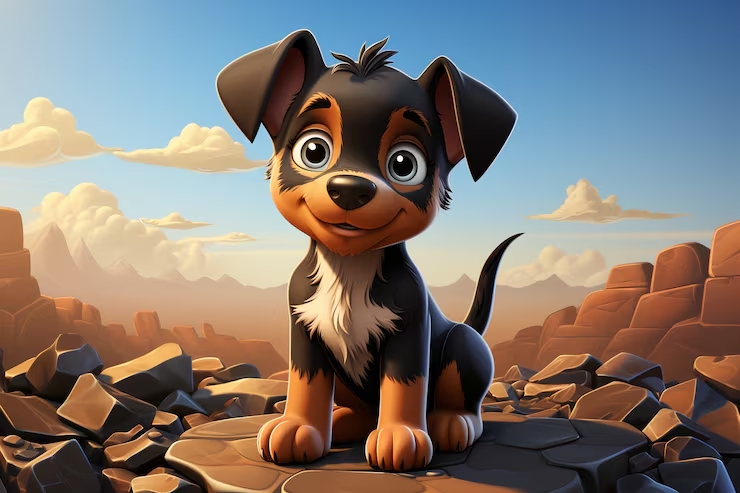
To write accurately about the furry fandom, one must first dismantle the stereotypes. At its core, being a “furry” means having an interest in anthropomorphic animals. This can range from the classic characters of Disney and Warner Bros. to the sophisticated, user-generated avatars seen on platforms like VR Chat.
The Concept of the “Fursona”
The heartbeat of the fandom is the Fursona. A fursona is a personalized animal character created by a member of the community to represent themselves. Unlike a static mascot, a fursona is an extension of the creator’s personality, often reflecting:
- Aspirational Traits: A shy person might create a bold, lion-like fursona.
- Creative Identity: Unique color palettes, species hybrids (like “Protogens” or “Dutch Angel Dragons”), and intricate backstories.
- Social Connection: It acts as an avatar through which people interact in both digital and physical spaces.
The Artistic Engine: How the Fandom Drives a Creative Economy
One of the most impressive aspects of the furry community is its self-sustaining economy. The fandom is almost entirely driven by user-generated content. From digital illustrations and 3D modeling to the complex craft of “fursuit” building, the financial scale of the community is massive.
Digital Art and Commissions
Thousands of artists make a full-time living by taking commissions. Because every fursona is unique, there is a constant demand for personalized art. This has created a highly skilled workforce of freelance illustrators who understand the nuances of character design and digital marketing.
The Craft of Fursuiting
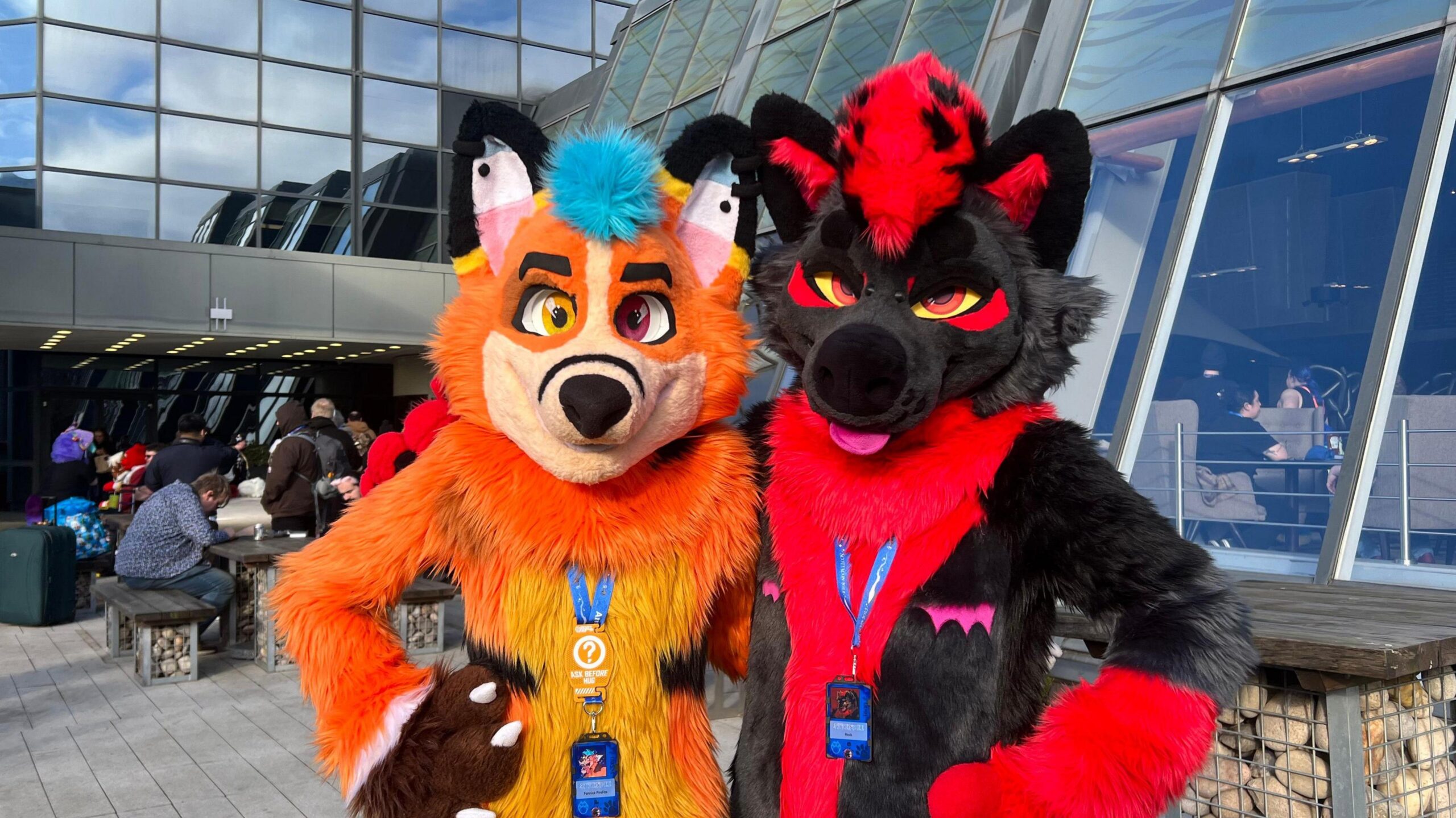
While only about 15–25% of furries actually own a “fursuit” (due to the high cost), these costumes are the most visible part of the culture. A high-quality, custom-made fursuit can cost anywhere from $2,000 to $10,000+.
The engineering involved—ranging from motorized moving jaws to internal cooling fans—demonstrates a high level of technical and artisanal skill.
The Psychology of the Fandom: Why It Appeals to Millions
Why do people gravitate toward animal avatars? Psychologists who study the fandom (such as the research group Furscience) have found several key drivers:
- A Sense of Belonging: Many members of the community identify as neurodivergent or LGBTQ+. The fandom provides a “judgment-free zone” where traditional social barriers are lowered.
- Creative Freedom: Anthropomorphism allows for a level of expression that human-centric art often lacks. You can be a blue wolf or a mechanical dragon; the limits of reality don’t apply.
- De-individuation and Confidence: Putting on a fursuit or adopting a persona allows individuals to shed social anxiety. This “masking” effect often helps people develop better real-world social skills.
The Role of Technology: From IRC to VR Chat
The growth of the furry fandom is inextricably linked to the history of the internet. In the early days, MUCKs and IRC channels allowed text-based roleplay. Today, technology has enabled a much more immersive experience.
Virtual Reality (VR)
Platforms like VRChat have revolutionized the community. Furries use custom-rigged 3D avatars to meet in virtual worlds, attend “virtual conventions,” and even perform live DJ sets. This has made the fandom more accessible to those who cannot afford physical suits or travel to conventions.
Social Media and Connectivity
Twitter (X), Bluesky, and Telegram are the primary hubs for communication. The “Furry Twitter” ecosystem is a powerhouse of engagement, often trending during major conventions like Anthrocon or Midwest FurFest.
Breaking the Stigma: Addressing Common Misconceptions
For years, mainstream media focused on the “shock factor” of the community. However, recent years have seen a shift toward more nuanced reporting.
- Myth: It’s all about the suits.
- Fact: Many furries never wear a suit. They are writers, coders, artists, or simply fans of the aesthetic.
- Myth: The community is only for children.
- Fact: While it is all-ages friendly, the core of the fandom consists of adults (ages 18–35) who enjoy the creative and social aspects.
The Global Impact of Furry Conventions
Furry conventions are not just parties; they are major economic drivers for host cities. Anthrocon in Pittsburgh, for example, brings in millions of dollars in local revenue annually.
Charity and Philanthropy
A little-known fact is that almost every major furry convention selects a local animal-related charity to support. Collectively, the fandom raises hundreds of thousands of dollars every year for wildlife preserves, animal shelters, and service dog organizations. This philanthropic spirit is a core tenet of the community’s “E-E-A-T” (Expertise, Authoritativeness, and Trustworthiness) in the social sector.
Navigating the Fandom as a Newcomer
If you are interested in joining or exploring the community, the “barrier to entry” is remarkably low. Here is a quick guide:
- Research Species: Find an animal that resonates with you. It doesn’t have to be a dog or a cat; it can be anything from a mythical creature to a hybrid.
- Engage with Art: Follow artists on platforms like FurAffinity or BlueSky to understand the visual language of the community.
- Attend a Local “Meet”: Most major cities have “furmeets” in parks or bowling alleys. These are low-pressure ways to meet people.
Future Trends: Where is the Fandom Heading?
As AI and 3D printing become more accessible, we are seeing a shift in how the fandom operates.
- 3D Printed Fursuit Bases: This allows for more anatomical accuracy and lower costs for makers.
- AI-Assisted Character Design: While controversial, some are using AI to brainstorm color palettes and lore.
- Mainstream Integration: With the success of movies like Zootopia and Spider-Man: Across the Spider-Verse, the “furry aesthetic” is becoming more accepted in mainstream media.
SEO Insights: Why This Topic Ranks Well
For those utilizing 0KD (Zero Keyword Difficulty) strategies, the furry fandom is a goldmine. Because the community is so segmented, there are thousands of “long-tail” keywords that have high search intent but low competition.
Keywords such as “how to make a protogen head,” “furry charity statistics,” or “digital art commissions for beginners” allow guest posts to capture specific audiences without fighting for the ultra-competitive “furry” head-term.
Conclusion
The furry fandom is a testament to human creativity and the power of the internet to forge meaningful connections. It is a subculture built on the foundations of art, technology, and radical inclusivity. By looking past the fur and the foam, one finds a sophisticated community that is redefining what it means to express identity in the modern world.
Whether you are a creator, a researcher, or simply a curious observer, the evolution of this fandom offers valuable lessons on the future of digital communities and the enduring human desire to tell stories—even if those stories are told through the eyes of an animal.
About the Author