Smoke detectors are one of the most critical safety devices in any residential or commercial space. They work quietly in the background, ready to alert occupants at the first sign of danger. However, like all electronic devices, they are not immune to malfunction. Smoke detector repair is an essential task that ensures these life-saving devices continue to function correctly and reliably over time.
Understanding the Importance of Smoke Detector Repair
A properly functioning smoke detector can mean the difference between safety and disaster. When a smoke detector fails, it creates a false sense of security. Many people assume that once installed, these devices will work forever. In reality, regular inspection and timely smoke detector repair are essential to maintain effectiveness.
Smoke detectors are exposed to dust, humidity, insects, electrical fluctuations, and aging components. Over time, these factors can reduce sensitivity or cause false alarms. Repairing issues early ensures that the device performs its job when it matters most.
Ignoring smoke detector repair can lead to delayed warnings, system failure, or complete device malfunction during emergencies.
Common Problems That Require Smoke Detector Repair
Several issues commonly lead homeowners to seek smoke detector repair. Understanding these problems helps identify when repair is possible and when replacement may be necessary.
Frequent False Alarms
False alarms are one of the most common reasons people disable their smoke detectors. These alarms may be caused by dust buildup, humidity, loose wiring, or sensor contamination. Smoke detector repair often involves cleaning internal components or adjusting sensor sensitivity.
Chirping or Beeping Sounds
Intermittent chirping usually indicates a battery issue, but it can also signal wiring problems or internal faults. Smoke detector repair may involve battery replacement, terminal cleaning, or circuit inspection.
Failure to Activate During Testing
If a smoke detector does not respond when tested, immediate smoke detector repair is necessary. This may involve repairing power connections, replacing faulty sensors, or addressing internal electronic damage.
Power Supply Issues
Hardwired smoke detectors may stop working due to loose wiring, tripped breakers, or damaged connectors. Proper smoke detector repair ensures stable power flow and reliable operation.
Causes Behind Smoke Detector Malfunctions
To perform effective smoke detector repair, it is important to understand what causes these devices to fail. Most issues develop gradually and can be prevented with proper care.
Dust and Debris Accumulation
Dust particles can interfere with the sensor, reducing accuracy. Regular cleaning is often part of basic smoke detector repair and maintenance.
Battery Corrosion or Leakage
Old or leaking batteries can damage internal components. Smoke detector repair may involve cleaning corrosion or replacing damaged terminals.
Aging Sensors
Smoke detector sensors lose sensitivity over time. While some repairs can restore performance, aging sensors may require partial or full replacement.
Environmental Factors
Humidity, temperature changes, and insects can affect detector performance. Smoke detector repair sometimes includes repositioning the unit to a more suitable location.
Types of Smoke Detectors and Repair Considerations
Different types of smoke detectors require different approaches to repair. Knowing the type of detector installed helps determine the best smoke detector repair method.
Ionization Smoke Detectors
These detectors are sensitive to fast-flaming fires. Smoke detector repair often focuses on sensor cleaning and electrical testing.
Photoelectric Smoke Detectors
Designed to detect smoldering fires, these detectors may require lens cleaning and sensor recalibration during smoke detector repair.
Hardwired Smoke Detectors
These systems are connected to the home’s electrical system. Smoke detector repair may involve checking wiring, power connections, and backup batteries.
Battery-Operated Smoke Detectors
Repair usually focuses on battery replacement, contact cleaning, and sensor maintenance.
Step-by-Step Approach to Smoke Detector Repair
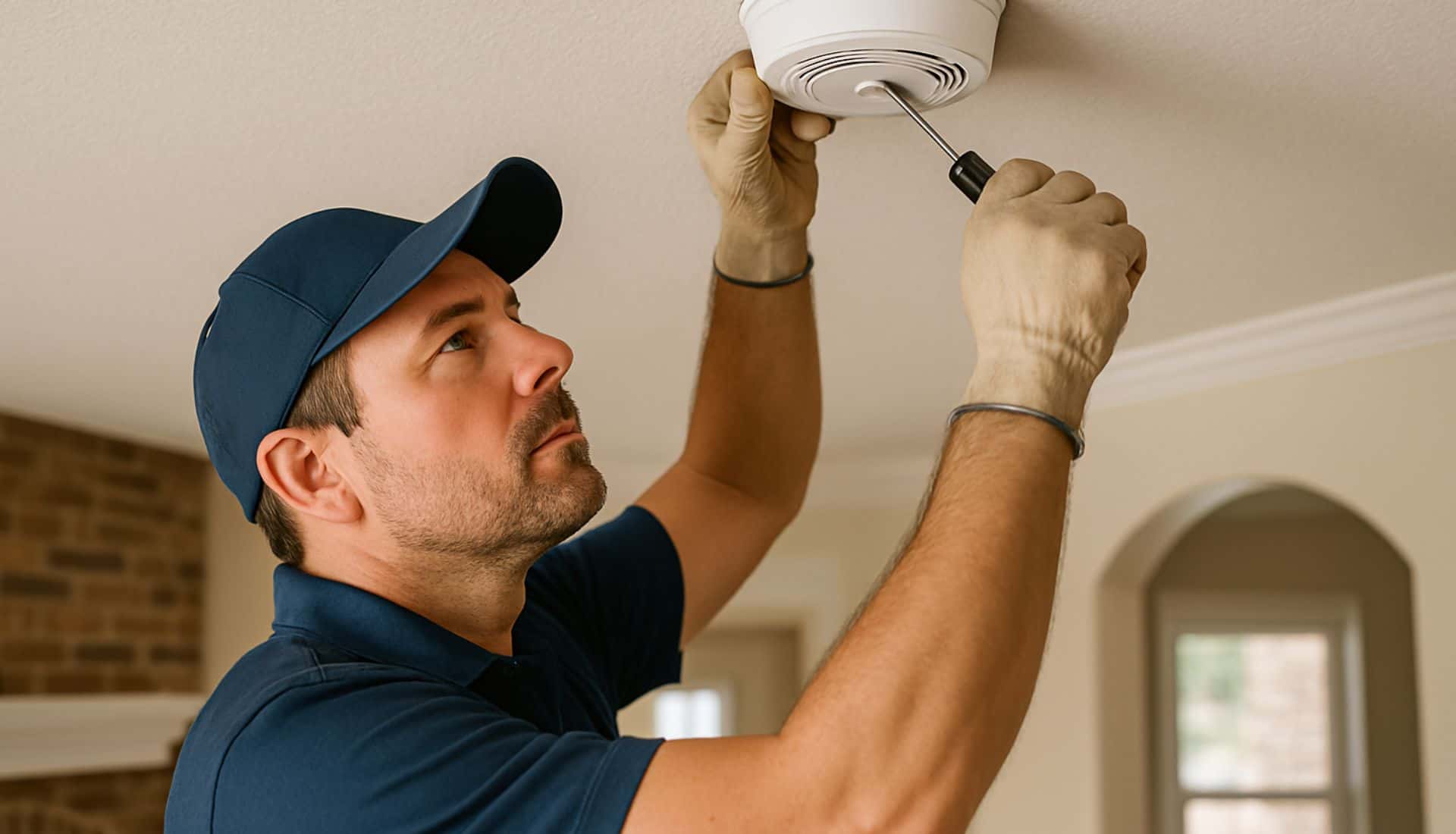
Performing smoke detector repair should be done carefully to ensure safety and effectiveness. Below is a general repair approach for common issues.
Step 1: Power Off the Detector
Before starting any smoke detector repair, disconnect power by removing the battery or switching off the circuit breaker for hardwired units.
Step 2: Inspect the Device
Check for visible damage, dust buildup, or loose components. Many smoke detector repair tasks begin with simple visual inspection.
Step 3: Clean Internal Components
Use compressed air or a soft brush to remove dust. Cleaning is one of the most effective smoke detector repair techniques.
Step 4: Test Electrical Connections
Ensure batteries are properly installed and wiring connections are secure. Electrical faults are a common cause of smoke detector failure.
Step 5: Reassemble and Test
After completing smoke detector repair, restore power and test the unit to confirm proper operation.
When Smoke Detector Repair Is Not Enough
While many issues can be resolved with smoke detector repair, some situations require full replacement. Knowing when repair is no longer effective is crucial for safety.
Smoke detectors generally have a lifespan of several years. If a unit continues to malfunction after repeated smoke detector repair attempts, replacement is the safer option. Devices with damaged sensors, cracked housings, or outdated technology should not be repaired.
Safety should always be the top priority when deciding between smoke detector repair and replacement.
Preventive Maintenance to Reduce Repair Needs
Preventive maintenance plays a major role in reducing the need for frequent smoke detector repair. Simple habits can extend the life of your detectors.
Regular cleaning prevents dust-related issues. Monthly testing ensures early detection of problems. Battery replacement at scheduled intervals prevents corrosion and power loss.
By maintaining your devices properly, you reduce the likelihood of sudden failures and minimize the need for emergency smoke detector repair.
Professional vs. DIY Smoke Detector Repair
Some smoke detector repair tasks can be handled by homeowners, while others require professional assistance.
DIY Smoke Detector Repair
Basic tasks such as battery replacement, cleaning, and testing can be safely performed at home. These simple repairs help maintain functionality and reduce service costs.
Professional Smoke Detector Repair
Complex electrical issues, hardwired system failures, or interconnected alarm problems should be handled by professionals. Expert smoke detector repair ensures compliance with safety standards and building codes.
Choosing the right approach depends on the complexity of the issue and the type of smoke detector installed.
Safety Benefits of Timely Smoke Detector Repair
Timely smoke detector repair significantly improves safety outcomes. A properly functioning detector provides early warnings, allowing occupants to evacuate and respond quickly.
Repairing faulty detectors reduces false alarms, ensuring that occupants take alerts seriously. It also restores confidence in the safety system, preventing dangerous habits such as disabling alarms.
Ultimately, smoke detector repair protects lives, property, and peace of mind.
Long-Term Cost Savings Through Repair
Many people overlook the financial benefits of smoke detector repair. Repairing minor issues early prevents costly replacements and reduces the risk of fire-related damage.
Functional smoke detectors can also impact insurance considerations. Maintaining detectors through proper smoke detector repair demonstrates responsibility and safety awareness.
Over time, regular repair and maintenance are far more cost-effective than neglect and emergency replacement.
Smoke Detector Repair in Residential and Commercial Settings
Both residential and commercial properties benefit from consistent smoke detector repair practices.
In homes, repaired detectors protect families and personal belongings. In commercial spaces, smoke detector repair ensures compliance with safety regulations and protects employees and customers.
Regardless of the setting, reliable smoke detectors are a fundamental safety requirement.
Final Thoughts on Smoke Detector Repair
Smoke detector repair is not just a technical task—it is a critical responsibility. These devices are designed to save lives, but only when they function correctly. Regular inspection, timely repairs, and proper maintenance ensure that smoke detectors perform reliably when emergencies arise.
By understanding common problems, repair methods, and preventive practices, homeowners and property managers can maintain a safer environment. Whether handled independently or by professionals, smoke detector repair should never be delayed or ignored.
About the Author