Introduction
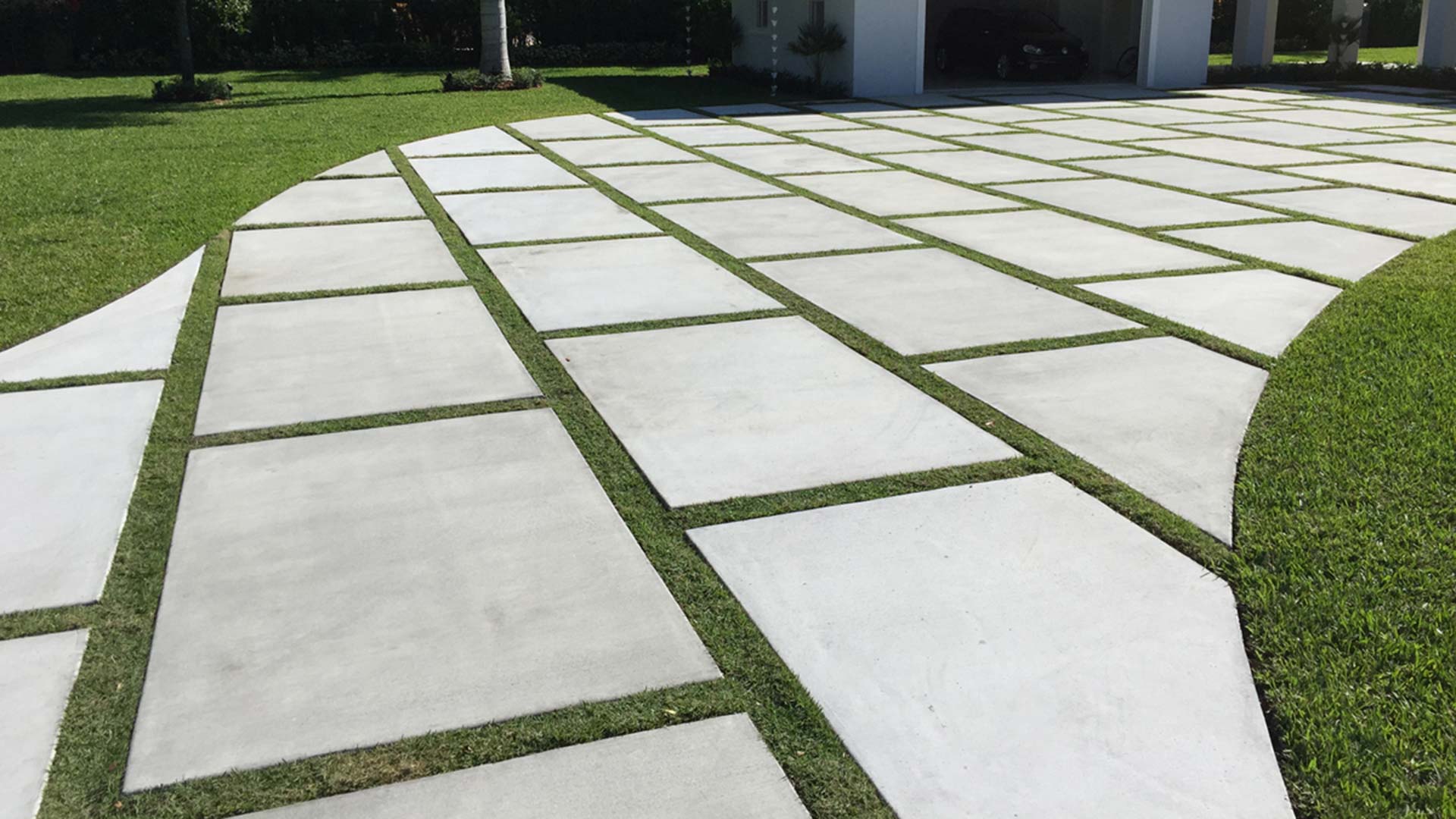
Contemporary construction relies quite a lot on the foundation of concrete slabs, and there is hardly a more reliable material than concrete slabs. These building materials are used in various ways to carry on the daily life on the residential floors up to the industrial platforms. A concrete slab is constructed with a good strength that supports and does not crack after being exposed to weather, it is a durable surface that can withhold weight over a period of decades. This is a guide that will tell you all the basics about the planning, designing, pouring and maintaining of slabs without committing the mistakes that shorten their life or compromise on their safety.
The article is also written in simple, easy to understand language and it can be recommended to the home owner, builder, students, and content creators who want comprehensive information presented in a pragmatic manner.
Learning about the Concrete Slabs Basics.
Concrete slabs are planar structural surfaces that are developed by pouring concrete on a prepared field in such a manner as to achieve a very strong and flat base. They are popular in houses, workplaces, workstations and even the outdoors since they can bear heavy weights and still stand in one place over numerous years. A well constructed slab distributes weight uniformly on the soil which minimizes any pressure point which can cause cracks or sinking. Materials, proper balance of water and proper preparation of the ground are all important aspects that determine the longevity of a slab. When properly designed and treated, concrete slabs give a solid foundation on which the construction rests, as well as, the comfort of the people who use it on a daily basis.
What Is a Concrete Slab
A slab is a horizontal structural surface, or flat structural surface, which has been prepared by fill with poured concrete. It distributes burdens evenly on the ground and serves as a foundation to buildings, pavements, patios, garages, and most of the other structures.
The importance of the use of concrete slabs in building.
The safe buildings rely on these slabs. They are heavy, do not allow moisture in the ground to seep into the structures and they give rise to a clean and smooth surface on which the flooring systems can be laid.
The Concrete Slabs that are used in Construction.
Slab on Grade
This is directly spilled on prepared soil. Homes, garages and sheds where the climate is moderate are common.
Suspended Slab
An elevated concrete on slab that is held up by walls or beams. It is a common type in a multi-story building or irregular land.
Floating Slab
A slab which is not attached directly to the foundation walls. It swings in a very slight manner with the soil, and is perfect in workshops and garden rooms.
Reinforced Slab
They are loaded with steel bars or mesh to make them strong and avoid cracking when there is a heavy load.
Important Ingredients of Slabs made of High Quality Concrete.
Depending on the appropriate combination of materials and proper construction techniques, concrete slabs of high quality are possible. Cement is the glue and clean sand and strong aggregates provides the slab with a body and loading capacity. The amount of water to be add should be regulate to make sure that the mixture is workable without being too weak. The reinforcement in form of steel bars or wire mesh is also necessary as it limits the cracking and enhances the elasticity to pressure. When all these elements are choose correctly and combine with caution, the ensuing slab will be less vulnerable to wear and tear, and moisture, as well as structural stress over time.
Cement, Sand, and Aggregate
These are materials that are use to come up with powerful concrete. All the parts should be clean and measured.
Water Ratio Importance
Excessive amounts of water make the slab weak whereas insufficient amounts hinder adequate mixing.
Reinforcement Materials
The optimality of the steel mesh or rebar is the distribution of stress, and durability is enhance.
Concrete Slabs Ground Preparation.
Soil Testing and Evaluation
Before construction, soil has to be inspect in terms of moisture, softness, and stability.
Excavation and Leveling
Cracks are associate with uneven ground. The bottom should also be flat and firm.
Gravel Base Layer
Gravel allows draining of water and also avoids slab drifting.
Designing Strength Concrete Slabs.
Thickness Selection
Thicker slabs are more expensive to install yet they are able to carry heavier loads.
Load Calculation
Builders approximate the weight that the slab will carry such as furniture, vehicles or machines.
Joint Planning
Expansion joints permit the slab to be able to move without cracking.
Detailed Guide on how to pour concrete slabs.
The process of pouring a concrete slab is a task that should be well plan and execute in order to make it strong and durable. This is carry out by constructing a firm formwork that outlines the shape of the slab and support the concrete. The concrete mix is then prepare which entails the addition of cement, sand, aggregate and water in the right proportions that will ensure optimal strength. The mixture is subsequently cast into the form work taking adequate care not to leave any air pockets or gaps.
Once the material has been poure it is leveled and smooth with a scree and trowel to form a flat surface. Lastly, the slab should be cure by ensuring that moisture is retain in the slab and that it takes several days to cure and the concrete attains maximum strength. By following all steps properly, one can avoid the cracks, weak spots, and damage in the long term.
Building the Formwork
The edges of the slabs are form by wood or metal forms.
Mixing the Concrete
Concrete should be combination even to eliminate weak spot.
Pouring the Mix
A mixture is add in a steady manner and a mixture is spread using tools.
Leveling and Finishing
The surface is smoothed down with a screed.
Curing Period
Appropriate curing retains the moisture in the slab making it stronger.
Issues with Concrete Slabs and Solutions.
Surface Cracking
Due to quick drying or ineffective mixture. The way out is to cure and strengthen.
Uneven Settlement
This will happen when the soil is not compact.
Water Pooling
Remedied by fixing by proper slope during finishing.
The Long-lasting Concrete Slabs Maintenance Tips.
The proper maintenance of the concrete slabs makes them strong, durable, and attractive to the eyes of many years. Cleaning using mild detergent and water frequently removes dirt, debris and stains that may be the source of wear on the surface in the long run. The use of protective sealant prevents the entry of moisture, decreases the cracking, and maintains the appearances of the slab. Small cracks or chips must be repaire at the earliest when appropriate fillers will be use so that they do not grow in size and cause structural damages. Also, staying off heavy impact, or sharp objects on the surface, and observed settling or drainage can really help to increase slab life. Care and attention to small issues.
Cleaning Methods
Wash using light detergent and water to get out the dirt and stains.
Sealing the Surface
Sealants inhibit moisture deterioration and enhance beauty.
Repairing Minor Damage
That is why small cracks must be fill as fast as possible.
Concrete Slabs Cost Factors.
Material Quality
Grade materials are stronger and are expensive, but durable.
Labor Charges
Experienced employees provide proper installation.
Project Size
Massive spaces need greater concrete and time.
The Concrete Slabs have environmental advantages.
Concrete slabs have a number of environmental benefits which makes them a sustainable construction material. Their thermal conductivity is use to maintain the indoor temperatures so that unnecessary heating or cooling is not require and consequently the amount of energy used is minimize. The long-lasting slabs have a lifespan of decades and therefore repairs and replacements are minimize and hence less waste is wast in building constructions. Also, concrete mixes today can use recycled materials, i.e., crushed glass, fly ash, or reused aggregates, which helps to reduce strain on natural resources. Well designed slabs also enable to handle water run off and erosion of soil hence increasing the sustainability of the site. In general, slabs made of concrete are hybrid structures that allow to strengthen the positive qualities of eco-construction both in the long term and in a responsible attitude towards the environment.
Energy Efficiency
Concrete is thermal resistant and assists in controlling the temperature indoors.
Reduced Waste
Durable slabs are long lasting and minimize the rate of rebuilding.
Selecting the Contractor to use in Concrete Slabs.
Experience and Skills
Seek contractors that have record work experience.
Reviews and References
Feedbacks on customers enable the identification of credible professionals.
Safety Measures in the course of construction.
The safety of the construction of concrete slabs should be ensure to guarantee workers safety and project quality. Efficient protective gears such as gloves, safety boots, helmets, and masks are also beneficial in injury prevention cause by heavy materials, dust, and exposure to chemicals. Another important concern is to pay attention to the weather conditions, not to pour concrete under the blazing sun, heavy rain, or freezing cold as it may influence the curing process and the safety of workers. The proper use and management of the tools and machinery, clear organization of the sites and following construction requirements minimizes accidents and structural mistakes. Safety is not only important to protect the workers but also to make sure the concrete slab is construct in the right way and that it is resistant to continuous wear and tear.
Protective Equipment
Injuries are prevent with gloves, masks and boots.
Weather Monitoring
Do not pour in case of extreme heat or downpour.
The current trends in Concrete Slabs.
Decorative Finishes
There are also stamp textures and polish surfaces which contribute to beauty.
Eco-Friendly Mixes
The use of recycled materials minimizes environmental effects.
Conclusion
Concrete slabs are one of the sure and common building elements still used in the modern construction. They are strong, flexible, and have a long life span and therefore can be use in residential, commercial and industrial applications. Properly carried out on solid ground, well reinforce, and cured with forbearance, a slab may become useful over several generations, and never require any serious repair. Numerous failures do not occur because of the weakness of concrete. But rather due to short cuts made in preparation or curing. Investment in proper design, good labor, as well as good materials, is economical in the long run. It is either you are putting up a new house, extending a driveway, or developing an outdoor area. The knowledge of the slab construction will enable you to make good decisions that will benefit your property and your budget.
About the Author